
Your Shopping Cart











Why That Last Bite After Every Indian Meal Is Never Really the Last Bite
India PoppzWhy That Last Bite After Every Indian Meal Is Never Really the Last Bite
Think about the last time you finished a meal at home — at a wedding, at a friend's place, or just after Sunday lunch with family. Somebody, somewhere, reached for a small bowl of saunf or mukhwas sitting near the door. Nobody announced it. Nobody explained it. It just happened, the way it always does.
That's the thing about mukhwas — it's not a snack you plan for. It's a reflex.
The Meal Isn't Over Until the Mukhwas Shows Up
In most Indian households, dinner doesn't technically end when the plates are cleared. It ends a few minutes later, with a pinch of something colourful, crunchy, and a little sweet. Restaurants figured this out decades ago — that's why there's always a mukhwas tray by the billing counter. Weddings figured it out too, which is why elaborate paan and mukhwas counters are practically non-negotiable at big Indian functions.
It's one of the few food rituals that cuts across states, languages, and generations. A Gujarati thali, a Punjabi dinner, a South Indian wedding feast — different food entirely, same instinct at the end: something to freshen up, something to hold on to a little longer.
So What's Actually in the Bowl?
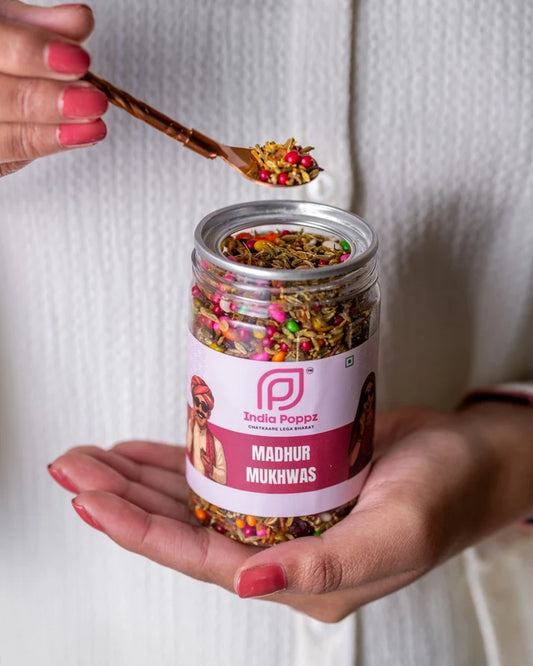
"Mukhwas" isn't one product — it's a whole category of after-meal treats, and that's part of the fun.
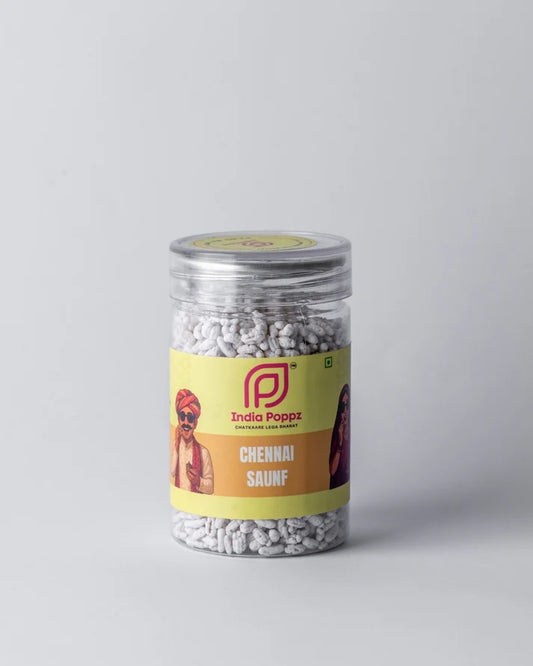
- Saunf (fennel seeds) – the OG mouth freshener, often sugar-coated or blended with mishri for a cooling, sweet finish
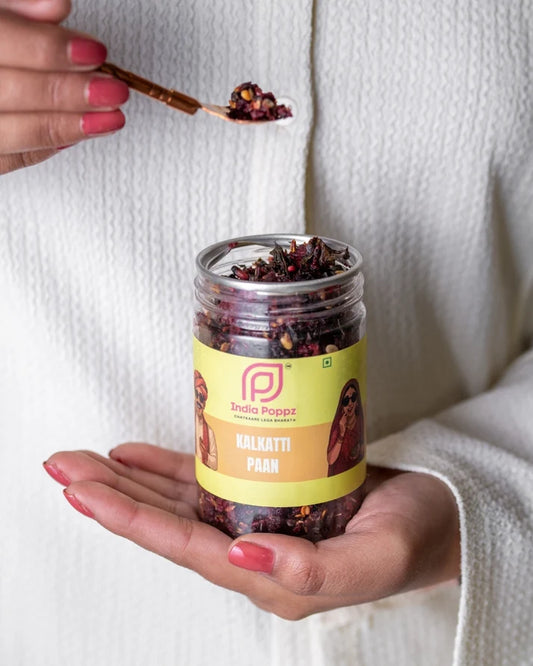
- Supari and dry fruit mixes – for texture and a slightly more grown-up flavour
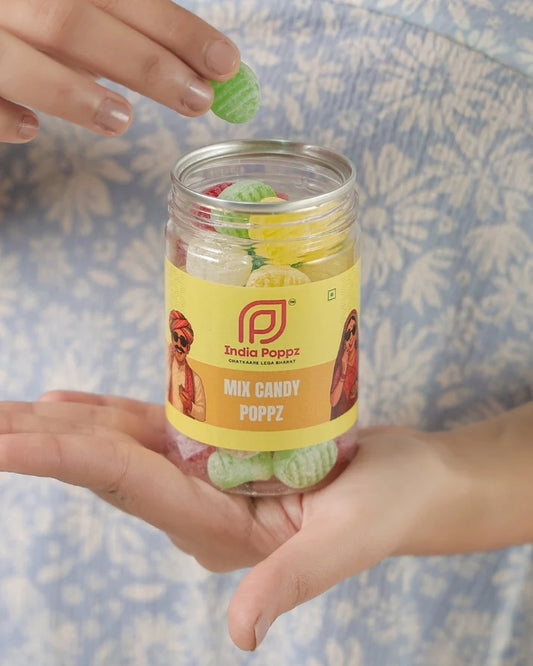
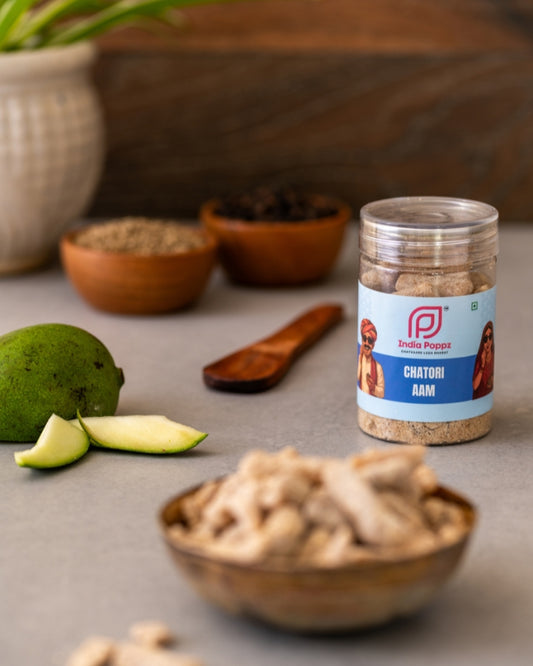
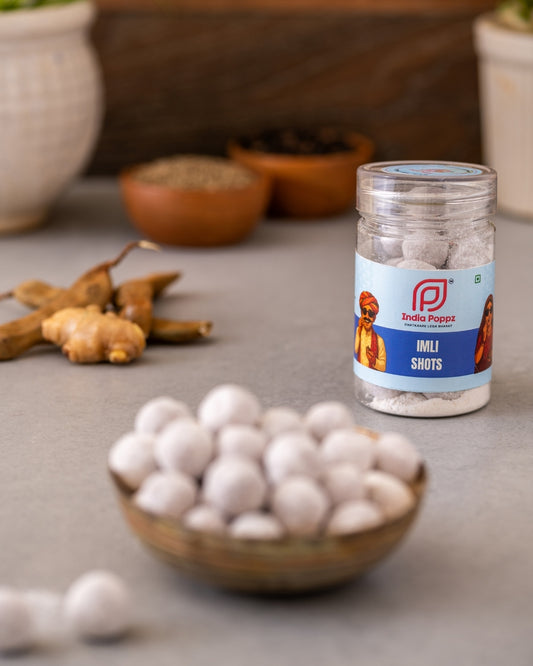
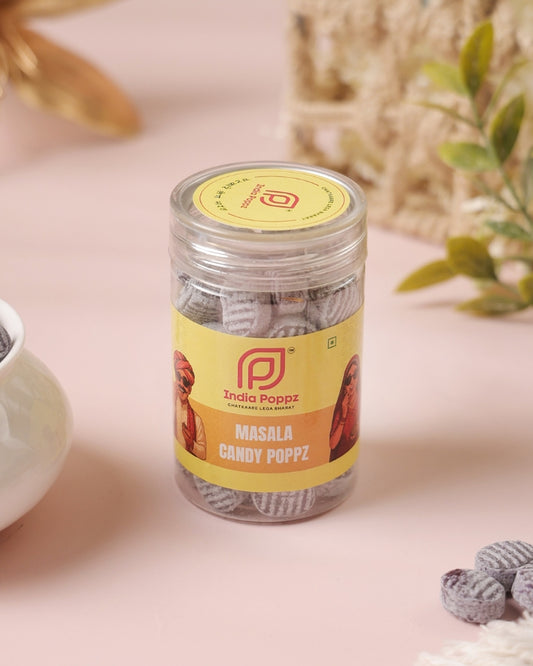
- Digestive vatis and candies – jeera, aam, and amla-based bites with that unmistakable tangy-masaledar punch
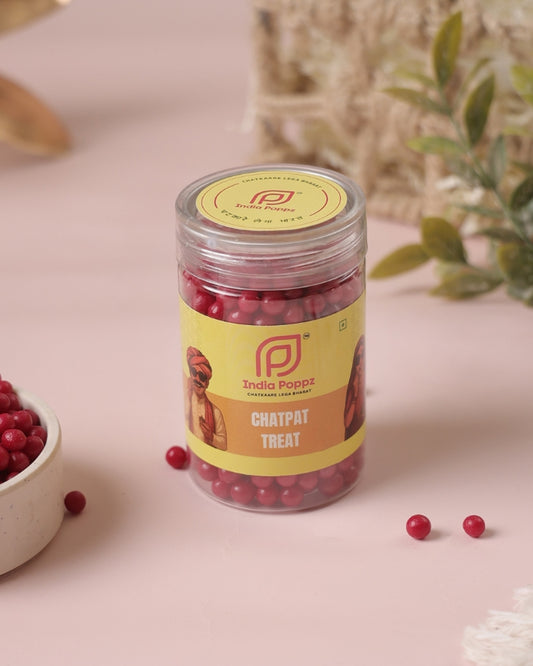
- Colourful mukhwas blends – a mix of seeds, dry dates, sugar balls, and silver leaves that look as festive as they taste
Every region, and honestly every household, has its own version. Some like it sweet, some like it loaded with black salt and dry mango powder, and some just want the classic green saunf their nani always kept in a steel dabba.
Why We Reach for It Without Even Thinking
There's a reason this habit has survived generations without any marketing push. A few real reasons, actually:
It's a palate reset. After a heavy, spice-loaded meal, something light and aromatic just feels right on the tongue.
It's a small ritual of closure. Meals in Indian culture are rarely just "eating" — they're a shared moment. Mukhwas is the little full stop at the end of that sentence.
It's nostalgia in a spoonful. For a lot of us, it's tied to memories — grandma's tin box, the restaurant counter after a family dinner out, the paanwala outside the wedding hall. One bite and you're back there.
It's genuinely enjoyable. Sweet, tangy, crunchy, aromatic — mukhwas hits several flavour notes at once, which is exactly why it's addictive in the best way.
From Steel Dabba to Doorstep: Mukhwas Has Gone Modern
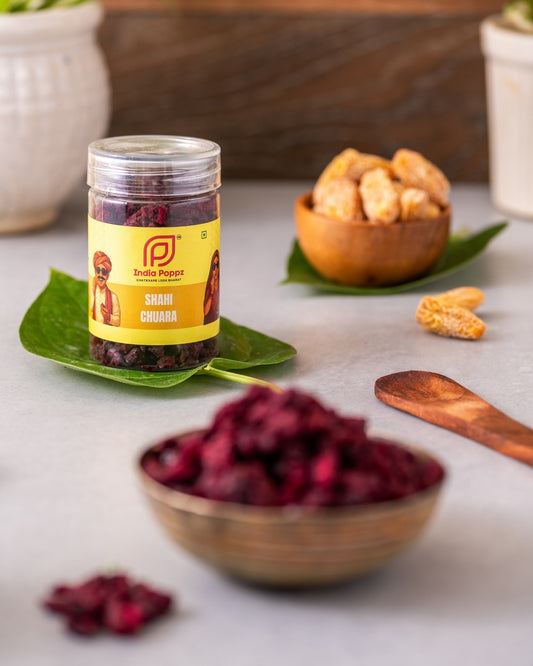
Here's what's changed — the ritual is the same, but how we access it isn't. Fewer of us have a nani rolling out fresh mukhwas at home every week, and fewer paanwalas are around the corner in every city. That's where brands like India Poppz come in — taking those same traditional flavours (saunf, jeera vati, aam vati, imli, and classic mukhwas blends) and making them easy to order online, beautifully packed, and ready whenever the craving hits.
Whether it's a jar for your own kitchen, a stash for road trips, or a hamper for a wedding or festive gifting, the goal is simple: keep the ritual alive, minus the hunting-around-for-it part.
Try building your own after-meal ritual
If you've been living on the same one packet of plain saunf for years, you're missing out on a lot of range — from cooling green blends to bold, chatpata digestive candies. Explore the full range of mukhwas and digestive treats at India Poppz and find your own version of that after-meal moment.
Kaunsa flavour tumhara favourite hai — sweet saunf ya chatpata jeera vati? Let us know in the comments.
Traditional Indian mukhwas is enjoyed after meals as a mouth freshener and flavour ritual — not intended as a medical or digestive treatment.